- Complete Guide to Buying Silver Bars for Investment
- Daily Silver Price and the Factors That Drive It
- Silver or Gold: Which Is the Better Investment?
- Verifying Authenticity and Proper Storage of Physical Silver
Articles & Bazaarnoghre Blog
Comprehensive guide to 999.9 fine silver across industries — from investment to electronics and medicine
- What Is 925 Silver and How Does It Differ from 999.9?
- Best Silver Alloys for Jewelry Making
- Silver Granules for Casting and Jewelry Making
- Silver Buying Guide for Jewelers and Goldsmiths
- Silver Applications in Electronics
- Silver in Solar Panels
- Silver in Contacts and Switches
- Why Is Silver the Best Electrical Conductor?
- Silver Catalysts in Industry
- Silver Nitrate: Production and Applications
- Silver in Ethylene Oxide Production
- Industrial Silver Compounds
- Nano-Silver and Antibacterial Properties
- Silver Medical Dressings
- Silver in Dentistry
- Silver Safety in the Pharmaceutical Industry
- Silver Applications in the Automotive Industry
- Silver in Electric Vehicles
- Automotive Sensors and the Role of Silver
- The Future of Silver in the Automotive Industry
- Mirror Manufacturing with Silver
- Water Purification with Silver
- Silver Plating and Coating
- Silver in Photography and Optics
Investment
4 articles
Investment
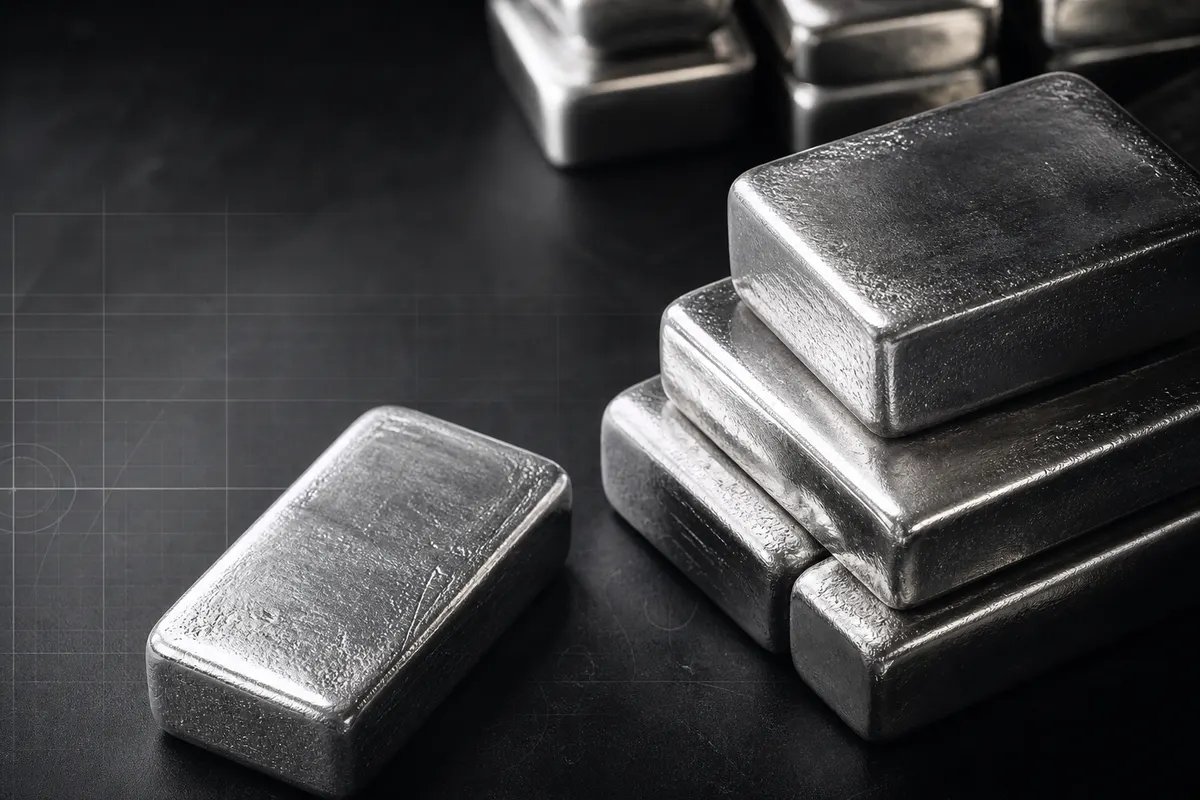
Complete Guide to Buying Silver Bars for Investment
Buying 999.9 silver bars is one of the most transparent ways to invest in precious metals — if you know how to choose a seller, verify authenticity, and account for hidden costs. This guide walks you through every step from weight selection to physical delivery.
Investment
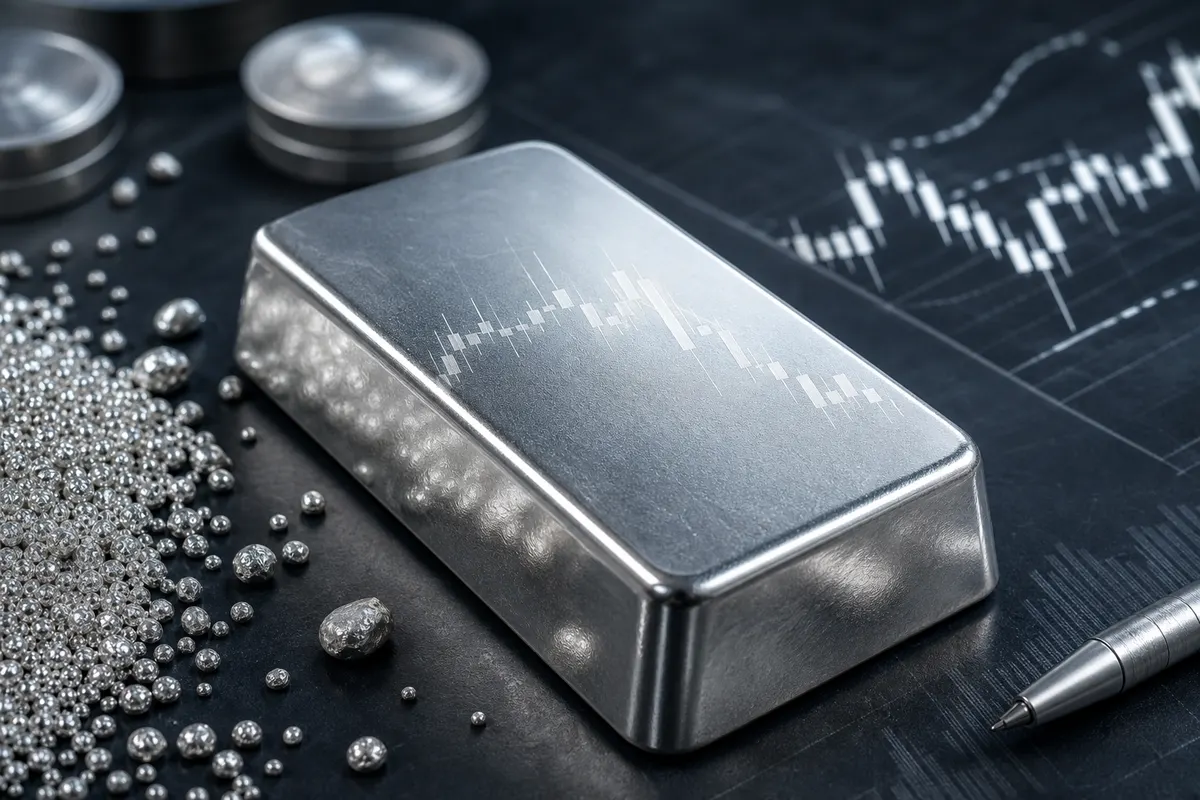
Daily Silver Price and the Factors That Drive It
The daily silver price reflects global supply and demand, USD rates, industrial cycles, and inflation expectations — not a fixed number on a board. Understanding these factors helps you time 999.9 bar purchases and sales more intelligently.
Investment
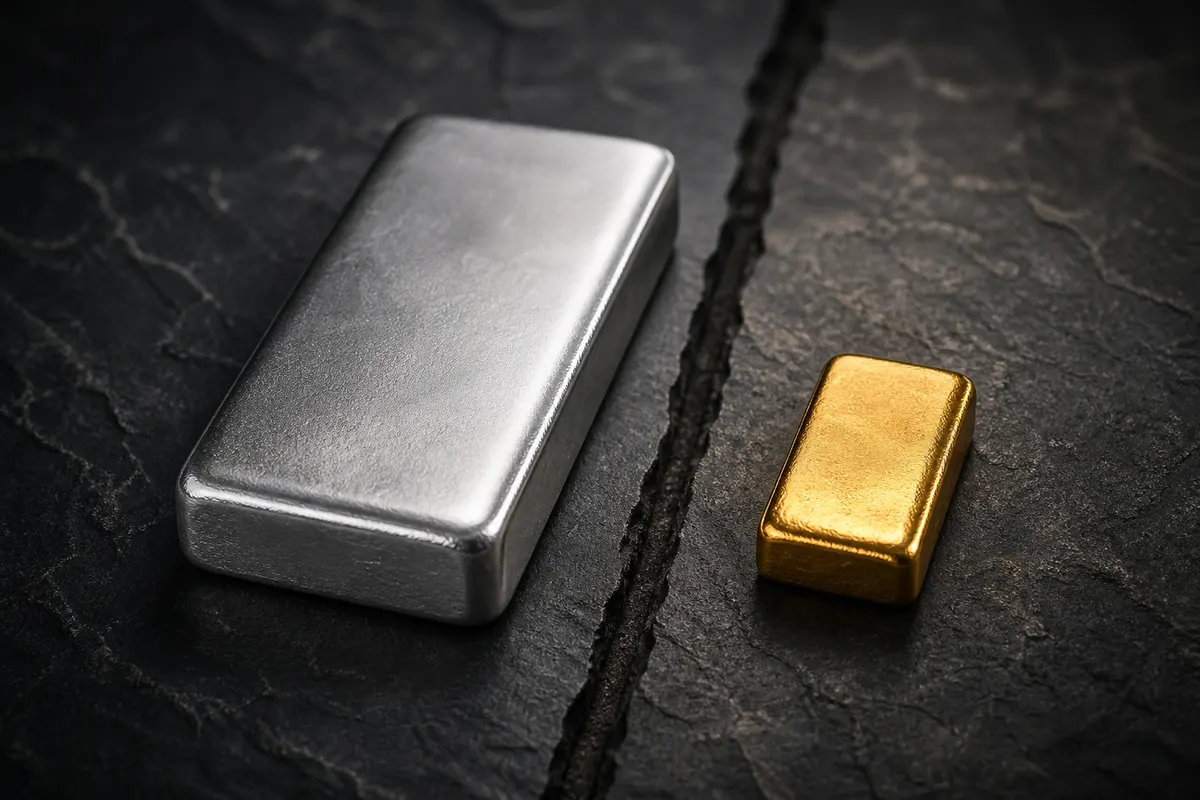
Silver or Gold: Which Is the Better Investment?
Choosing between silver and gold is one of the most common questions for precious metals investors — each has distinct advantages and limits. This article compares both options for a balanced portfolio using analytical criteria, not market bias.
Investment
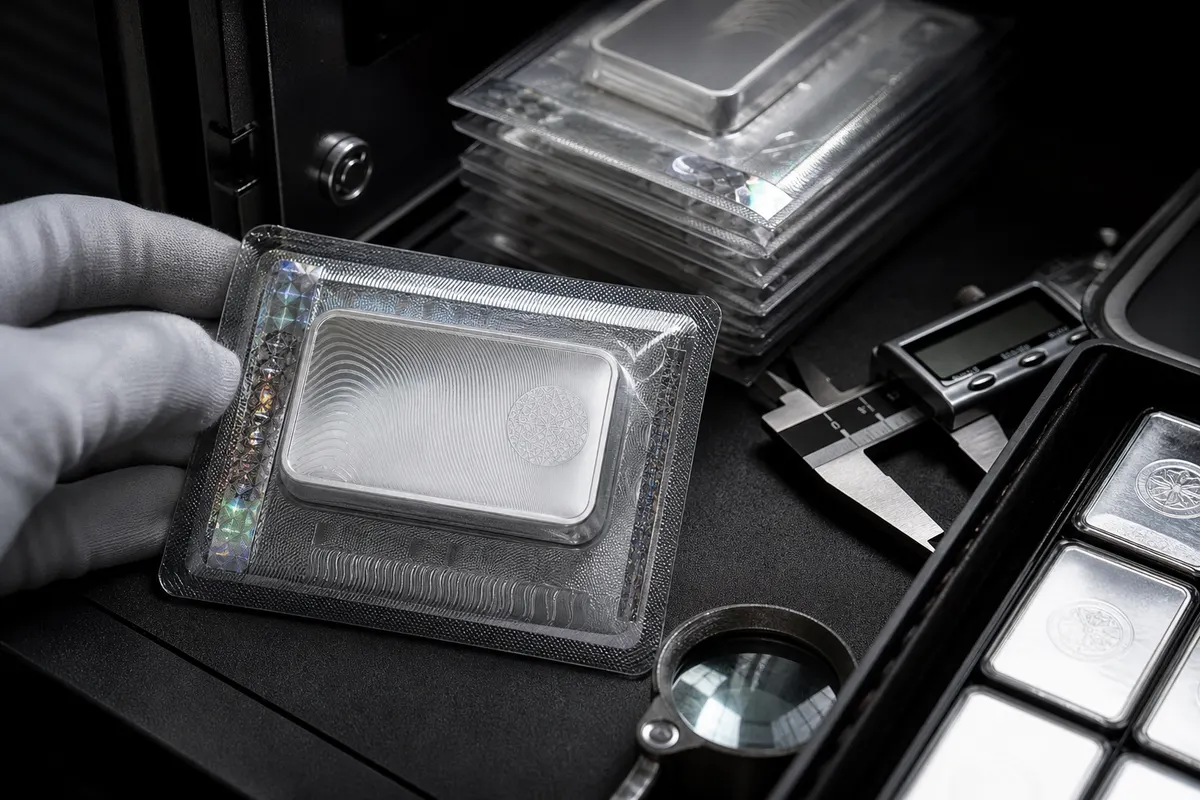
Verifying Authenticity and Proper Storage of Physical Silver
Buying silver bars without verifying authenticity is a high-risk investment — and improper storage can reduce both appearance and resale value. This guide covers practical methods to confirm 999.9 silver and principles for long-term safekeeping.
Jewelry
4 articles
Jewelry
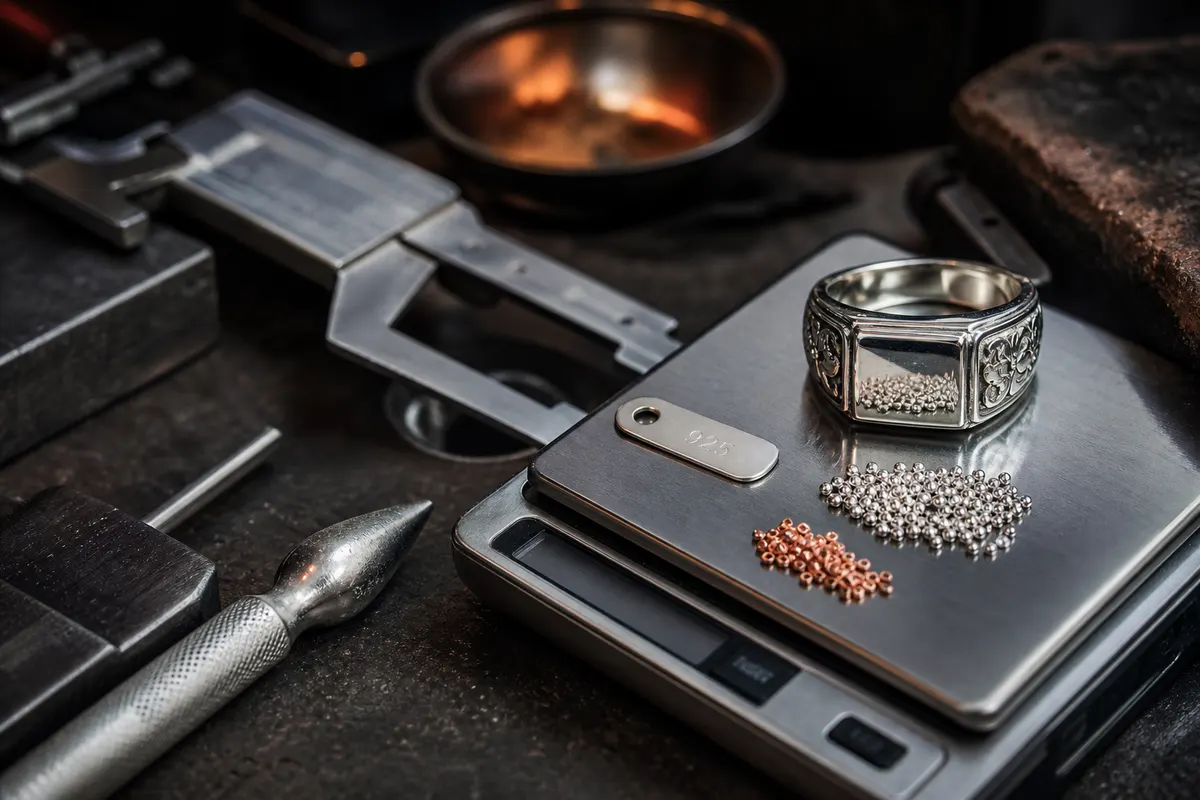
What Is 925 Silver and How Does It Differ from 999.9?
925 silver is the most common jewelry alloy, containing 92.5% pure silver. This guide explains how it differs from 999.9 fine silver, where each is used, and what to look for when buying.
Jewelry
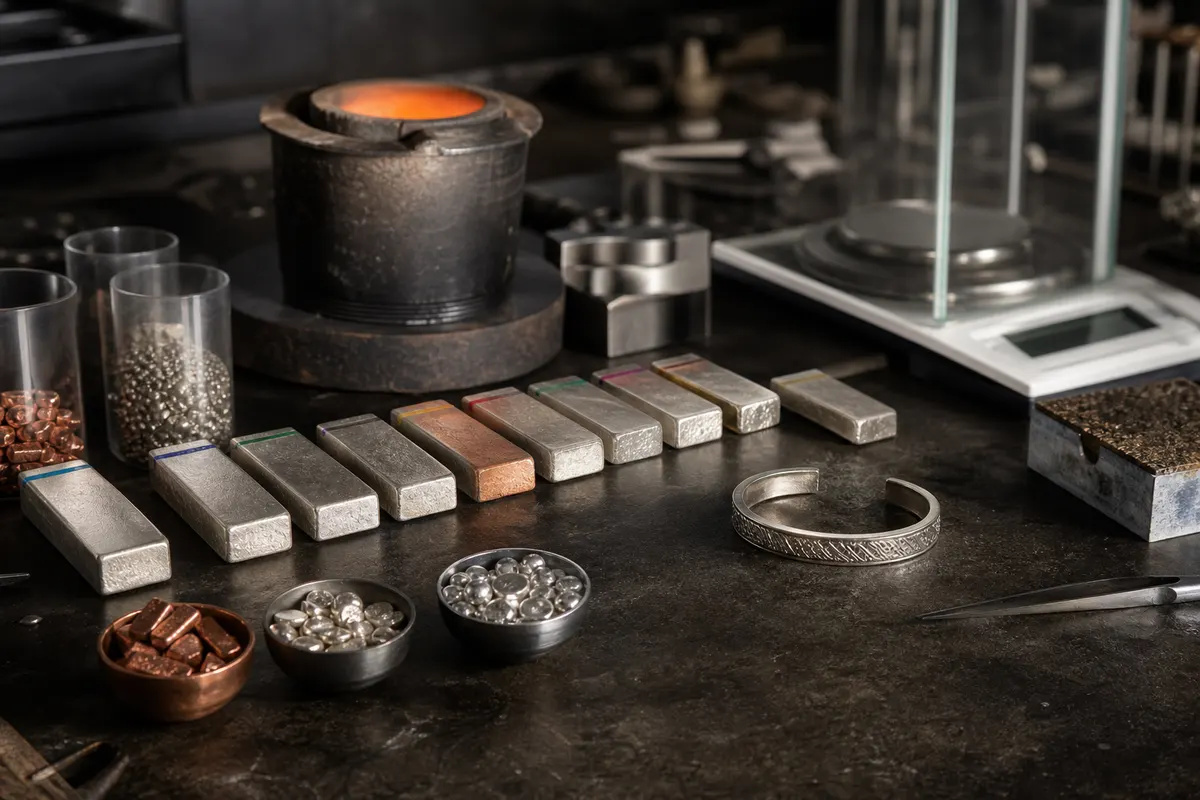
Best Silver Alloys for Jewelry Making
The right silver alloy determines your jewelry quality and durability. This guide covers common formulas, their advantages, and selection criteria for workshops.
Jewelry
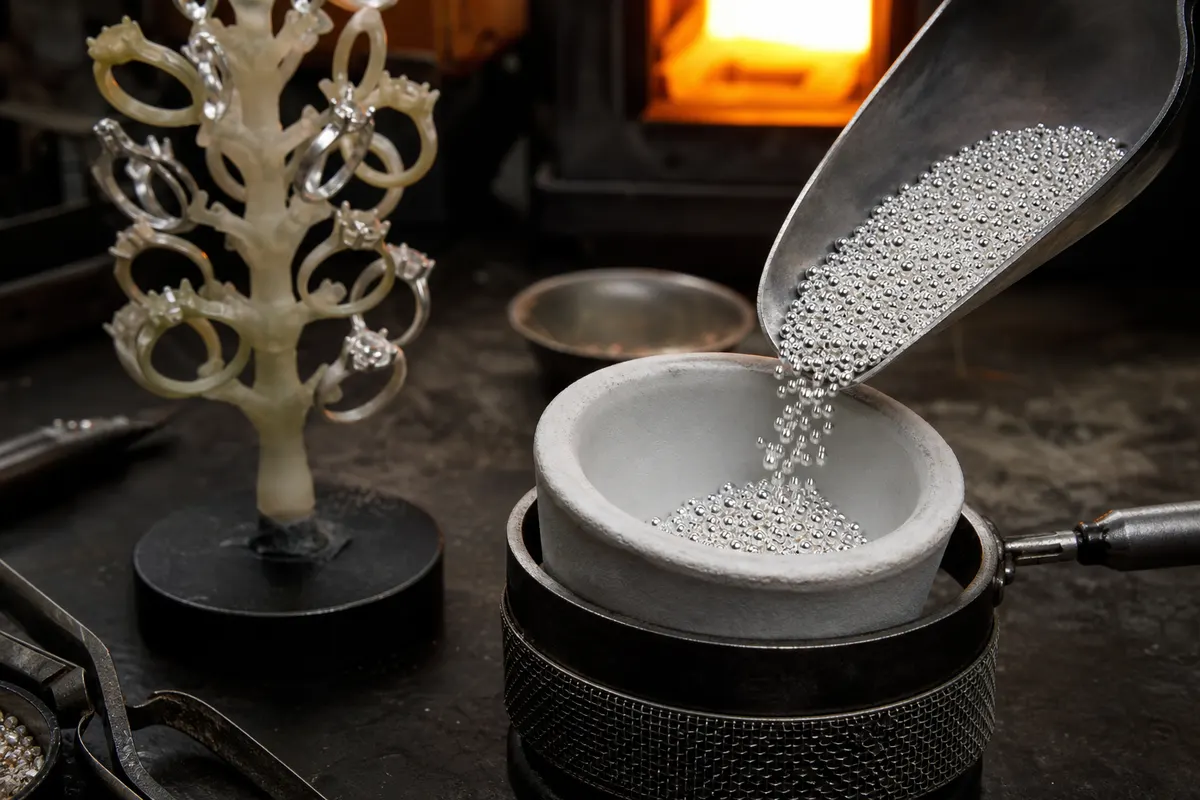
Silver Granules for Casting and Jewelry Making
Silver granules are a primary raw material for many jewelry casting workshops. This article covers how to choose purity, melt correctly, and convert granules into the right alloy.
Jewelry
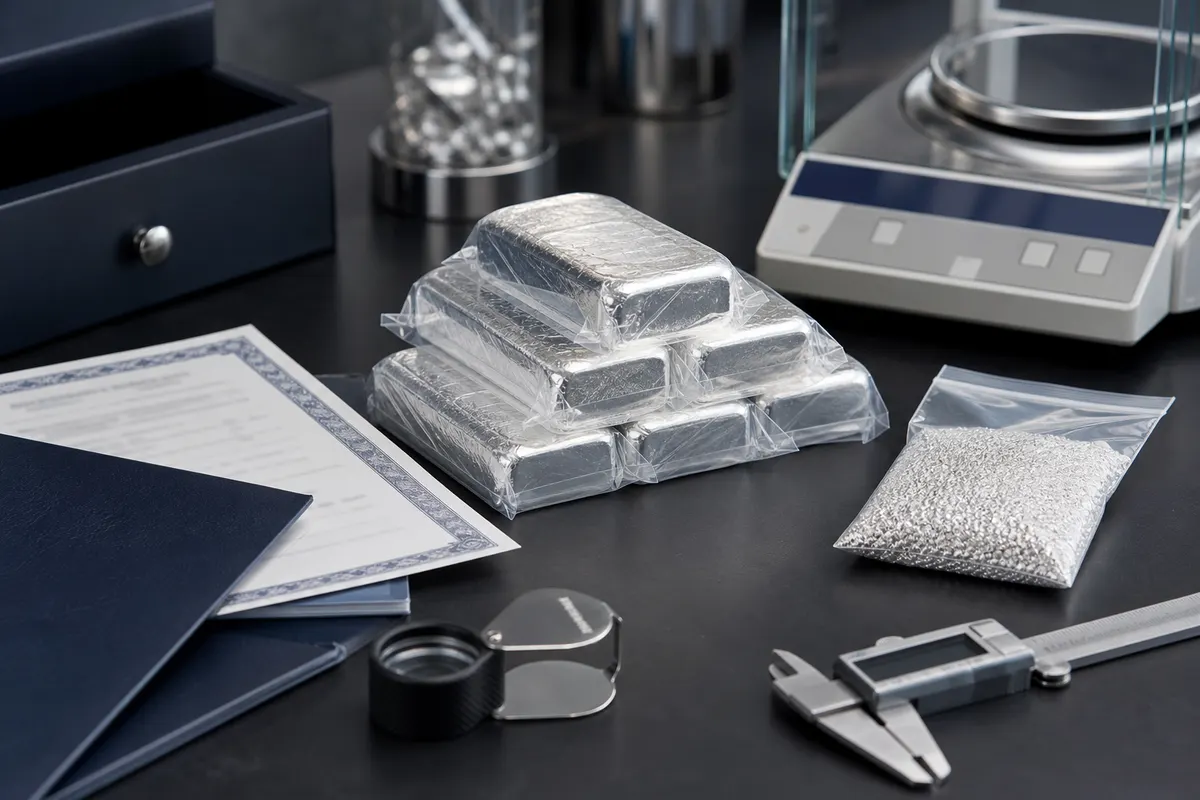
Silver Buying Guide for Jewelers and Goldsmiths
Buying the right silver raw material determines your workshop quality and profitability. Read purity criteria for 999.9 silver, supplier selection, and bulk contract essentials here.
Electronics
4 articles
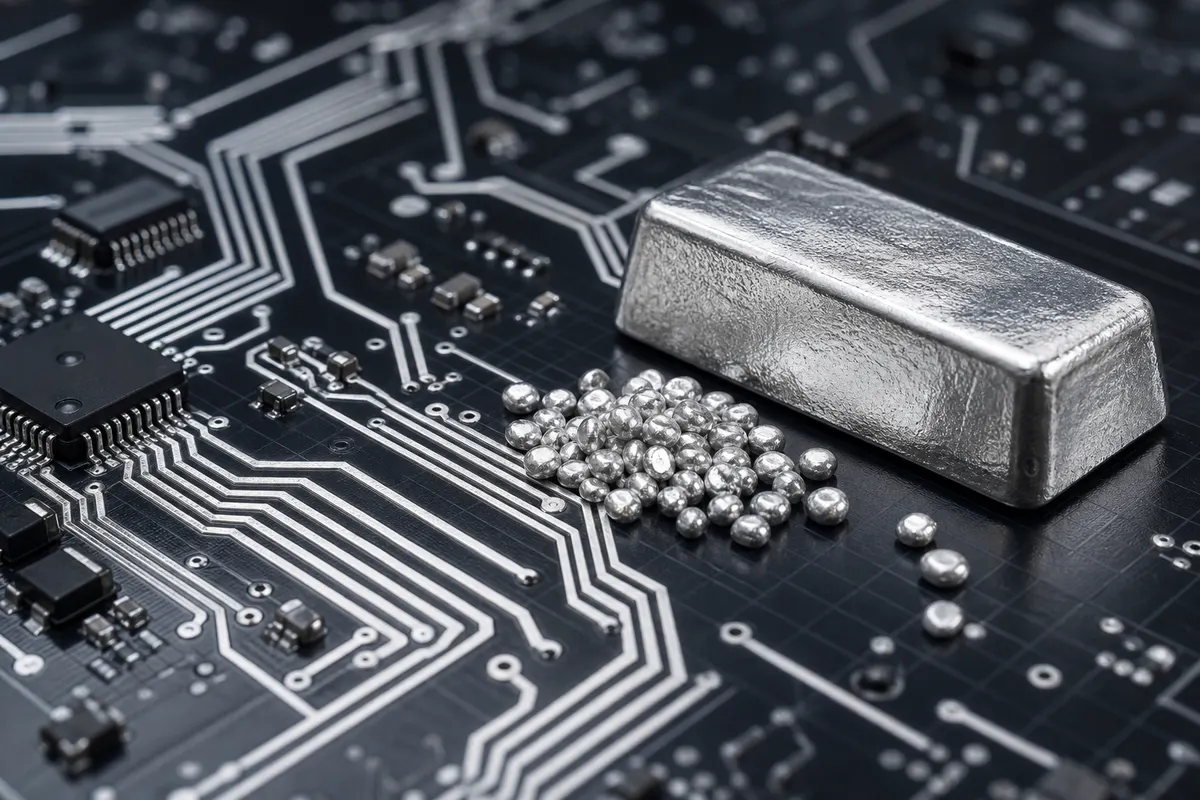
Electronics
Silver Applications in Electronics
As the best electrical conductor among metals, silver plays a vital role in dozens of electronic applications from printed circuits to advanced chips. This article reviews industrial uses and raw material selection criteria.
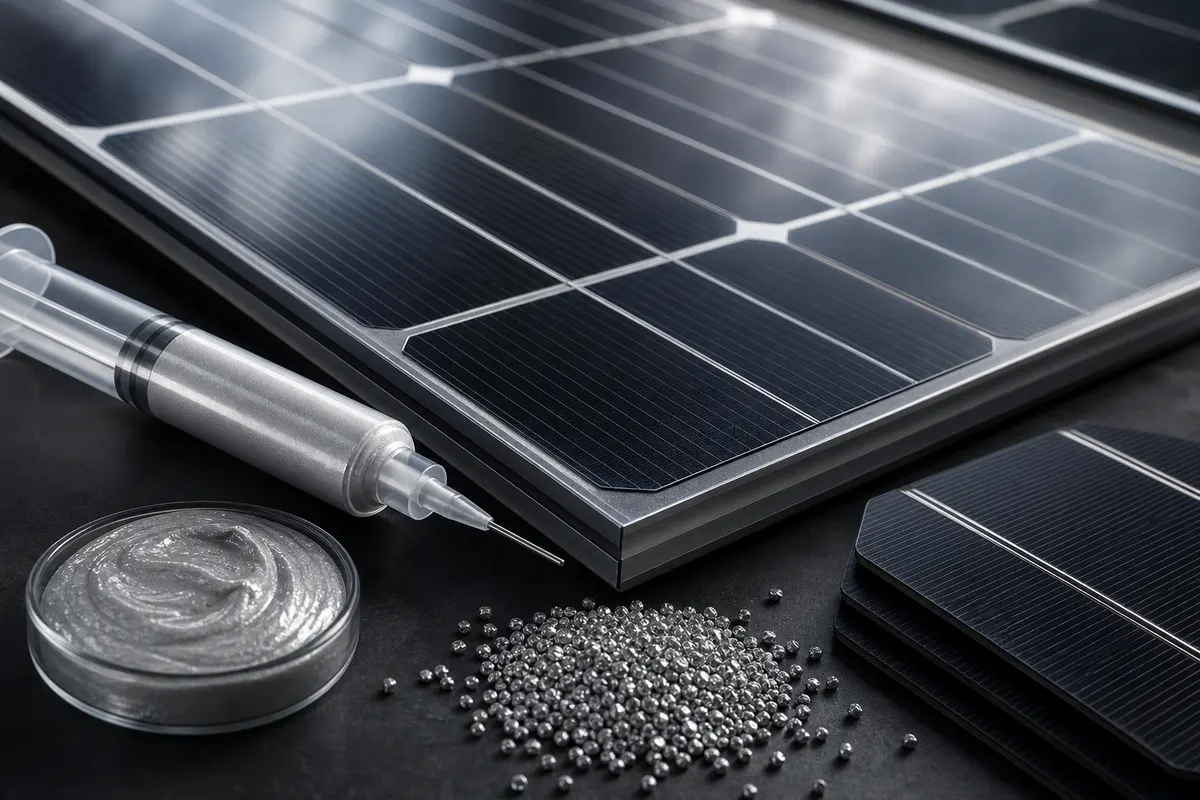
Electronics
Silver in Solar Panels
The solar energy industry is one of the world's largest silver consumers. Silver paste on photovoltaic cells collects generated current and directly affects panel efficiency.
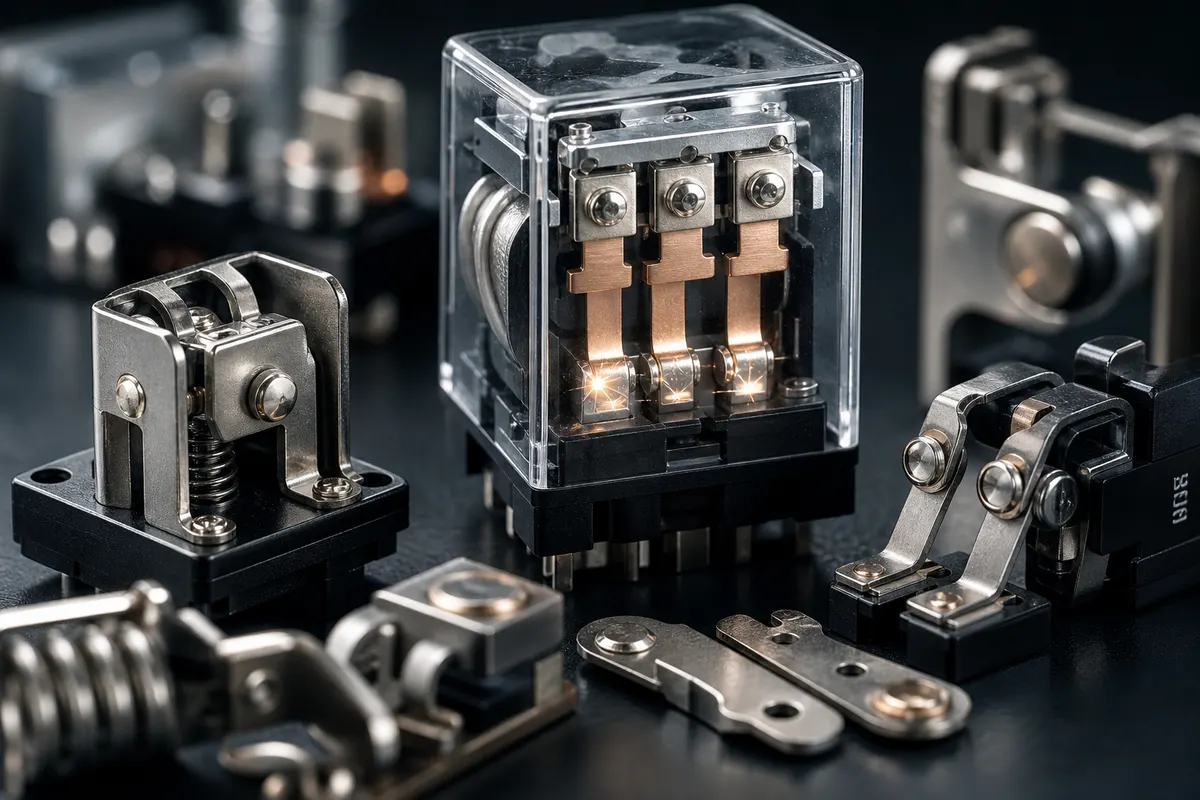
Electronics
Silver in Contacts and Switches
Electrical contacts are the heart of every switch, relay, and breaker. Silver and silver alloys are the gold standard for contacts thanks to high conductivity and oxide resistance.

Electronics
Why Is Silver the Best Electrical Conductor?
Physically, silver has the highest electrical conductivity and thermal conductivity of all metals. So why is copper used in household wiring? The answer lies in economics and physics.
Chemical
4 articles
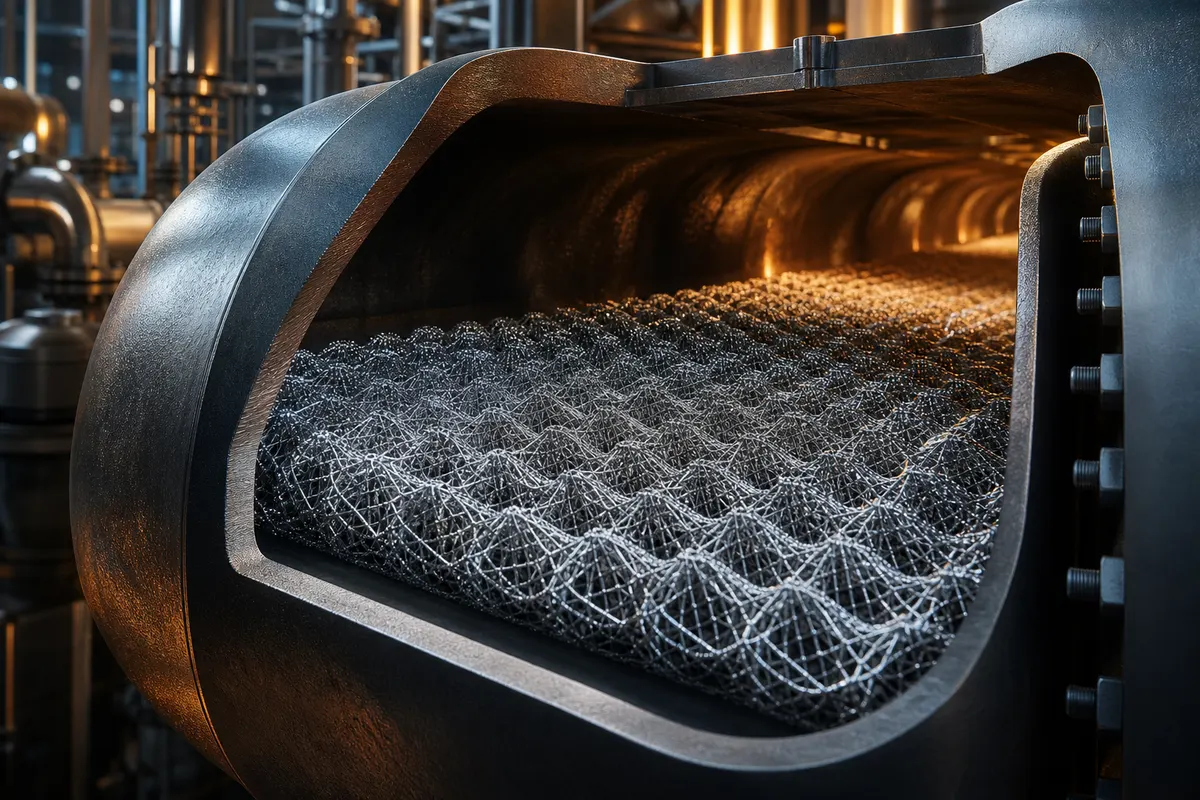
Chemical
Silver Catalysts in Industry
Silver is one of the most important catalyst metals in chemical and petrochemical industries. Silver catalysts play a key role in selective oxidation, ethylene oxide production, and oxidative processes.

Chemical
Silver Nitrate: Production and Applications
Silver nitrate is one of the most important silver compounds in industry. From catalyst and mirror production to photography and medicine, AgNO₃ has wide-ranging applications.
Chemical
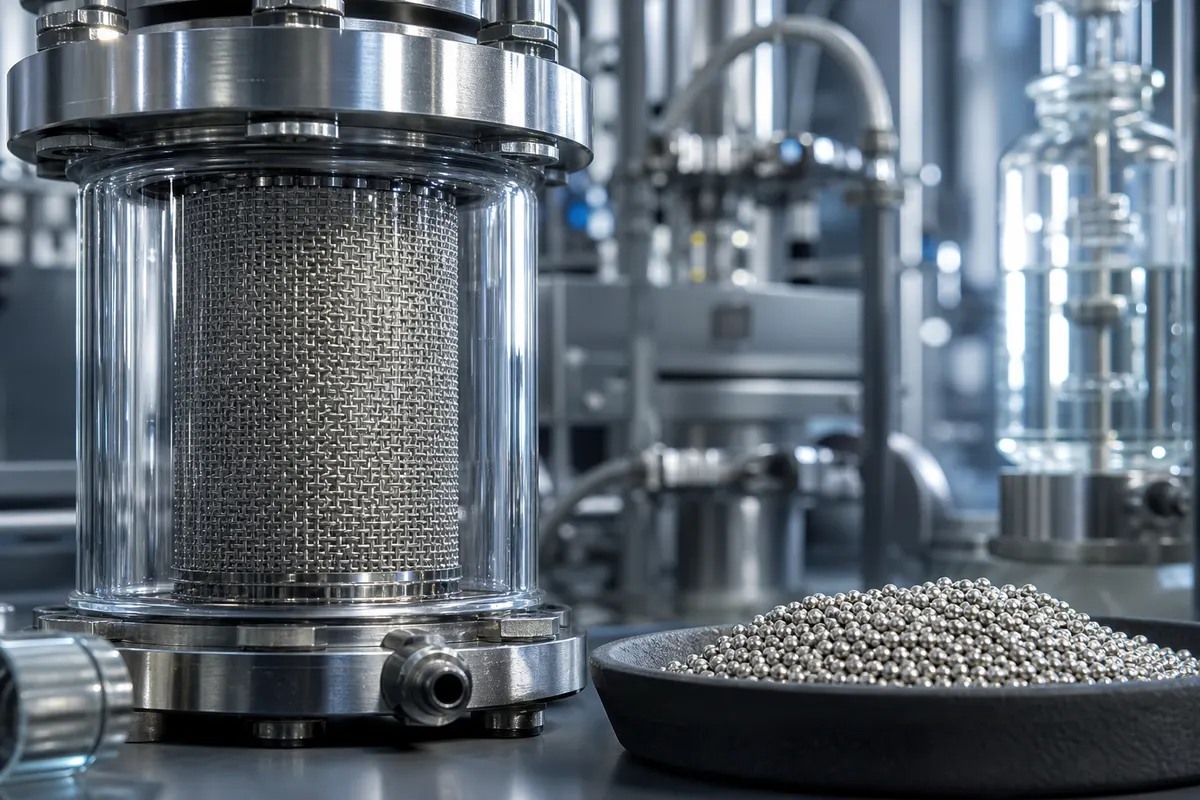
Silver in Ethylene Oxide Production
Ethylene oxide is one of the most important petrochemical feedstocks, and its production depends entirely on silver catalysts. Each ton of EO requires tens of grams of catalytic silver.
Chemical
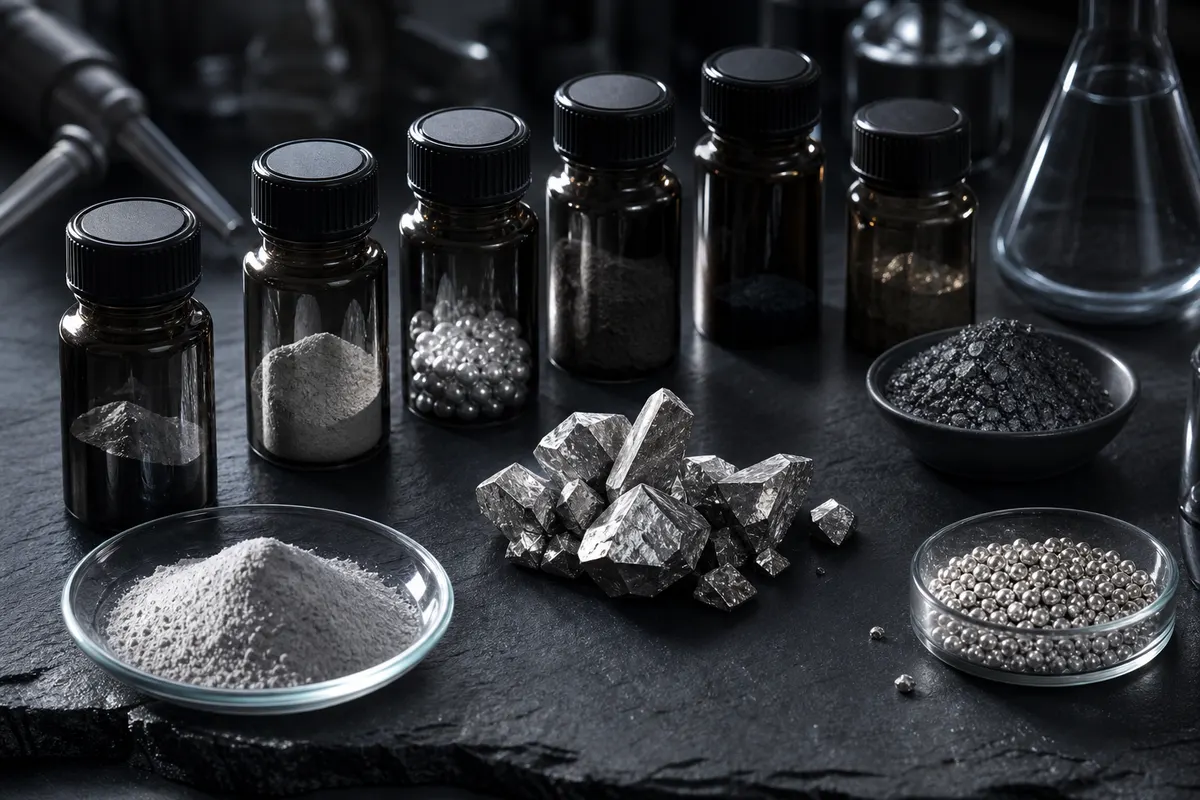
Industrial Silver Compounds
Chemical, medical, electronics, and textile industries rely on dozens of silver compounds. This guide covers the most important industrial compounds, production methods, and selection criteria.
Medical
4 articles

Medical
Nano-Silver and Antibacterial Properties
Nano-silver with its high surface area and ion release is one of the most effective antimicrobial agents in modern medical devices. This article examines the mechanism, safety, and industry standards.
Medical
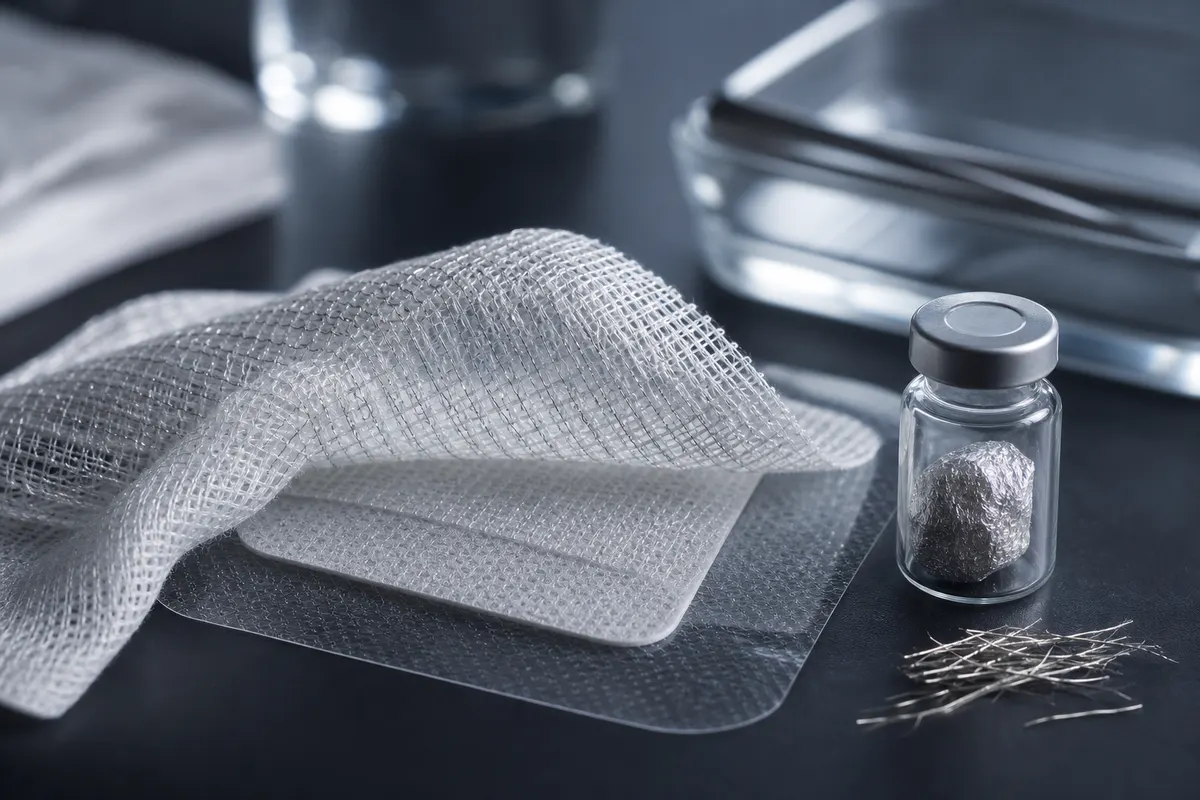
Silver Medical Dressings
Silver-releasing dressings have become the gold standard for treating infected and chronic wounds. This guide covers types, applications, and raw material sourcing essentials.
Medical
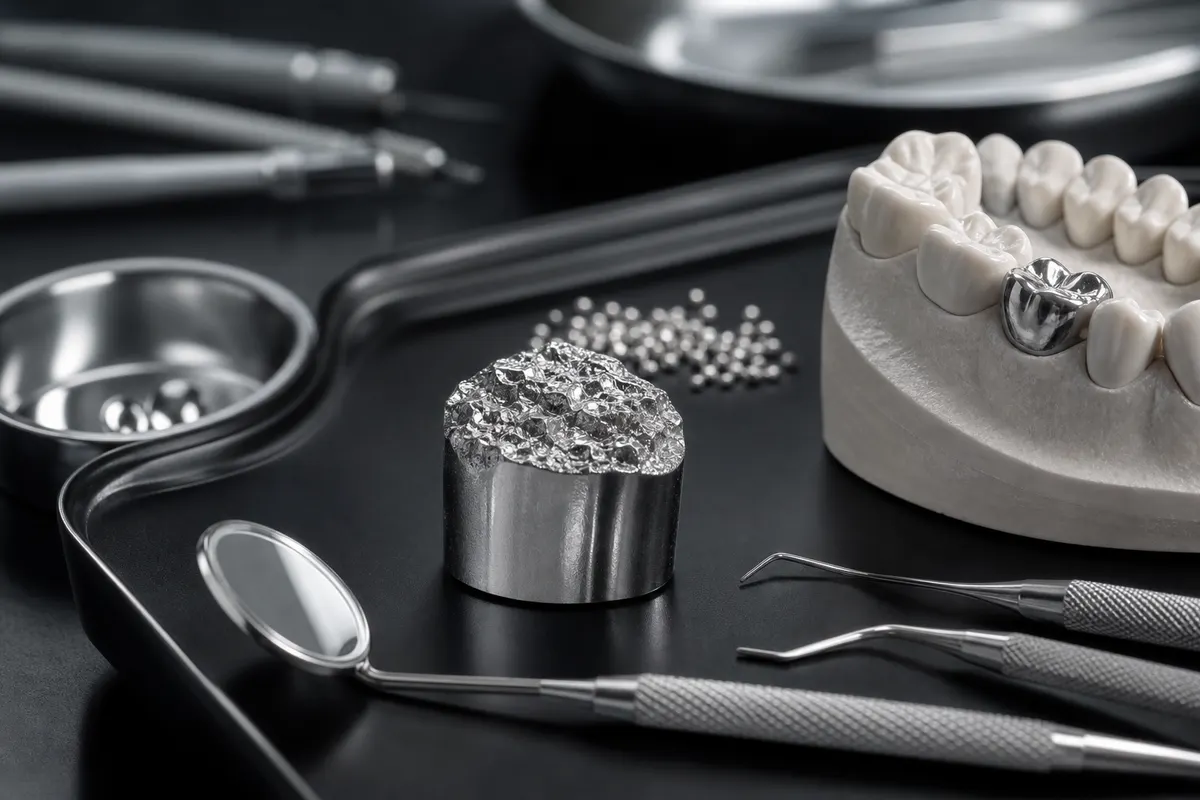
Silver in Dentistry
Silver has played a role in dentistry for centuries and today is widely used in dental alloys, antibacterial compounds, and implant surface coatings.
Medical
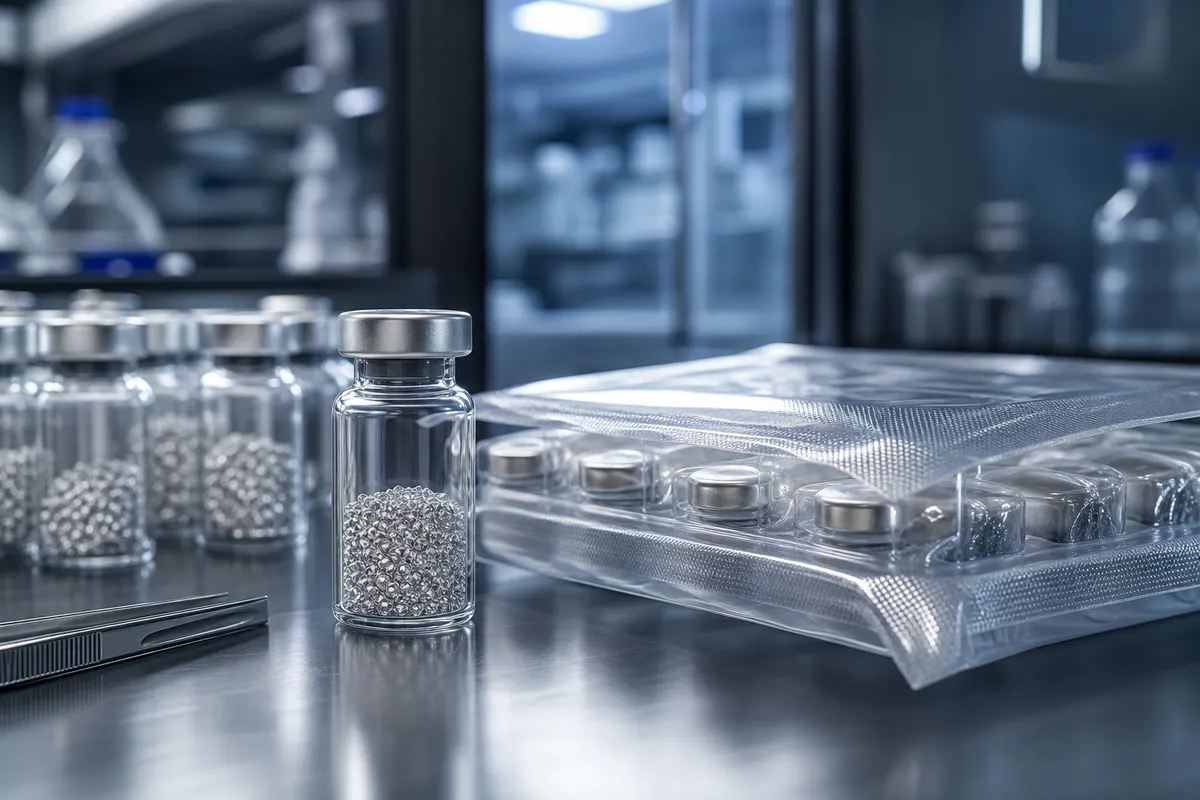
Silver Safety in the Pharmaceutical Industry
Pharmaceutical industries must meet strict USP, EP, and ISO standards when using silver in medical compounds. This guide explains safety requirements and quality control.
Automotive
4 articles

Automotive
Silver Applications in the Automotive Industry
Silver has the highest electrical conductivity of any metal and is used in dozens of automotive components from relay contacts to HVAC systems. This article reviews the main applications.
Automotive
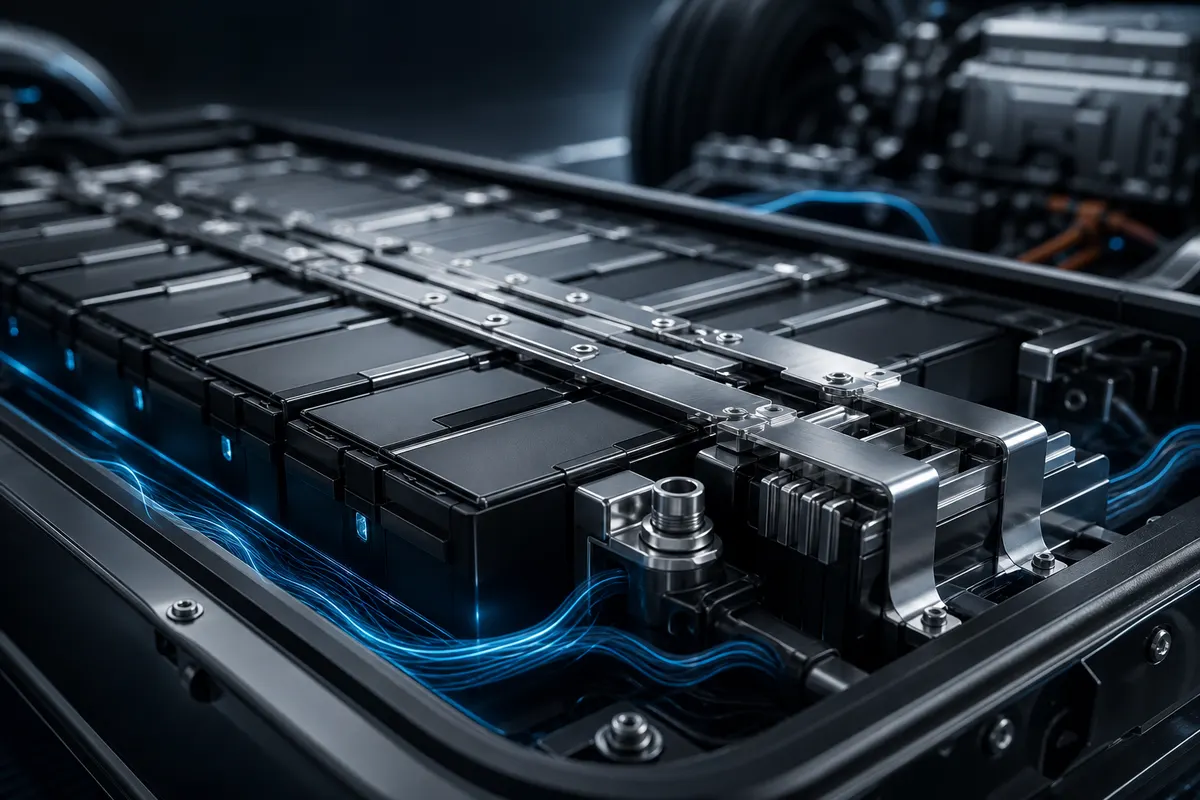
Silver in Electric Vehicles
Electric vehicles consume up to three times more silver than internal combustion cars. Batteries, inverters, chargers, and advanced electronics have created unprecedented industrial demand.
Automotive
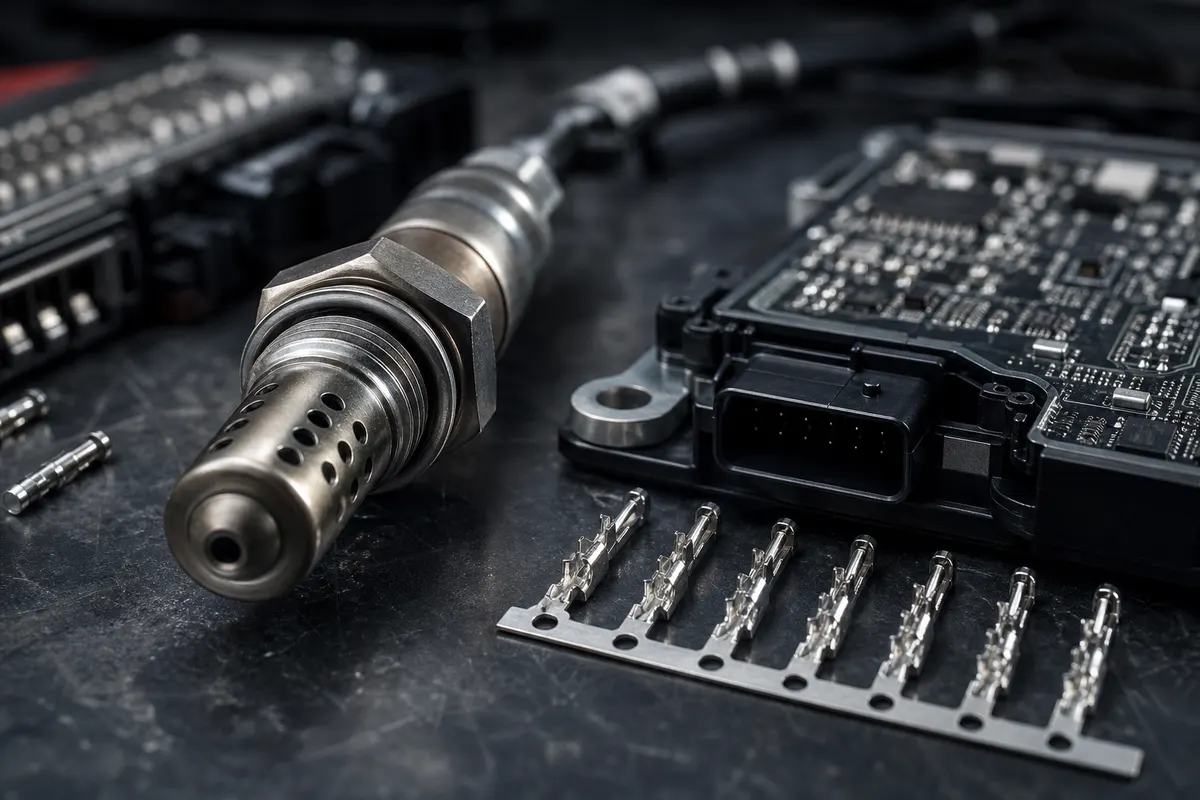
Automotive Sensors and the Role of Silver
The oxygen sensor is the largest silver consumer among automotive sensors. Silver electrodes in dozens of vehicle sensors are vital for efficiency, safety, and emissions control.
Automotive
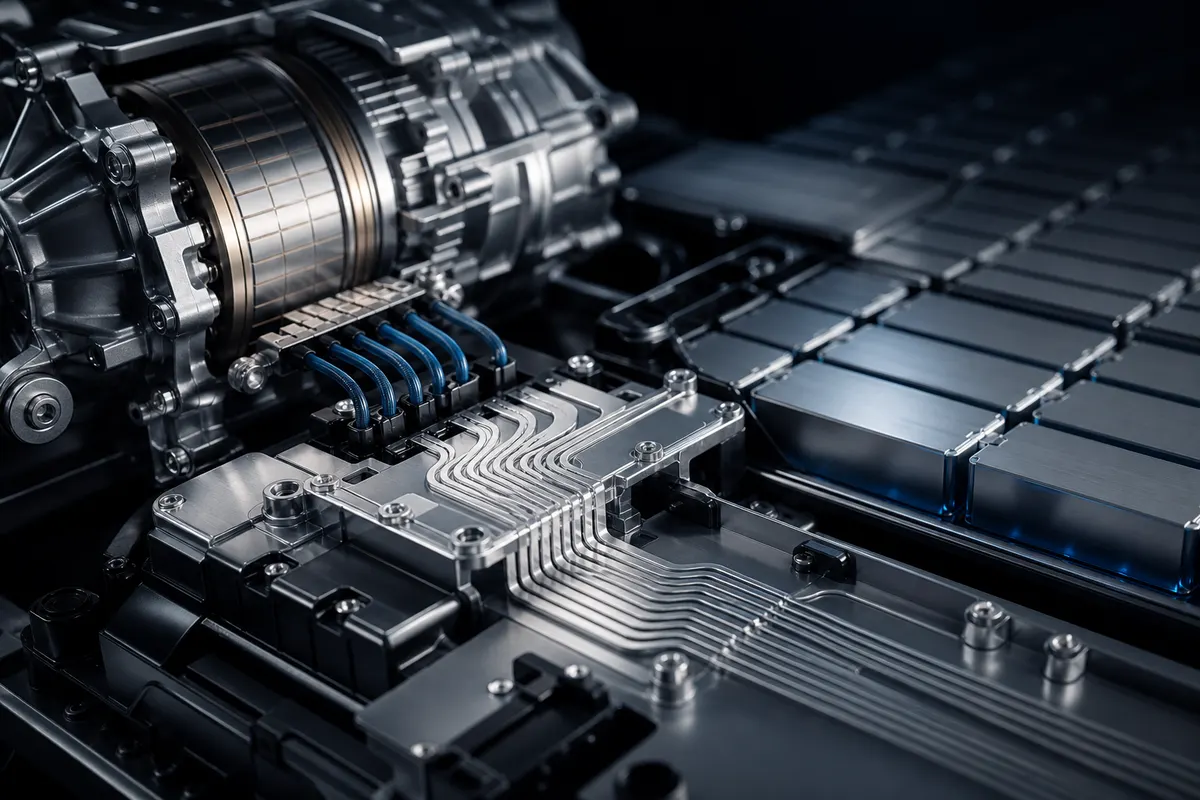
The Future of Silver in the Automotive Industry
By 2035, electric and autonomous vehicles will create unprecedented silver demand. This article analyzes key trends, supply challenges, and industry opportunities.
Other Industries
4 articles
Other Industries
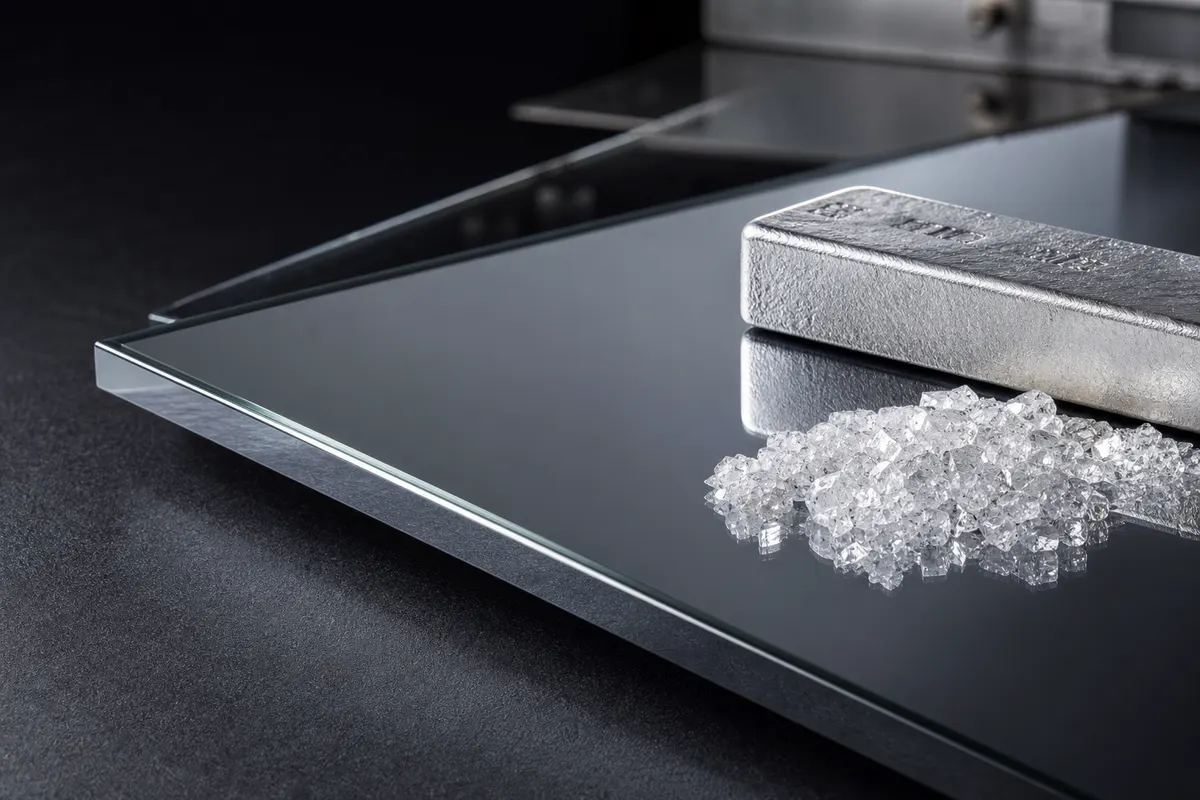
Mirror Manufacturing with Silver
Modern mirrors are made with a thin silver layer that provides 95%+ reflectivity in visible light. This article explains the production process, raw materials, and quality standards.
Other Industries
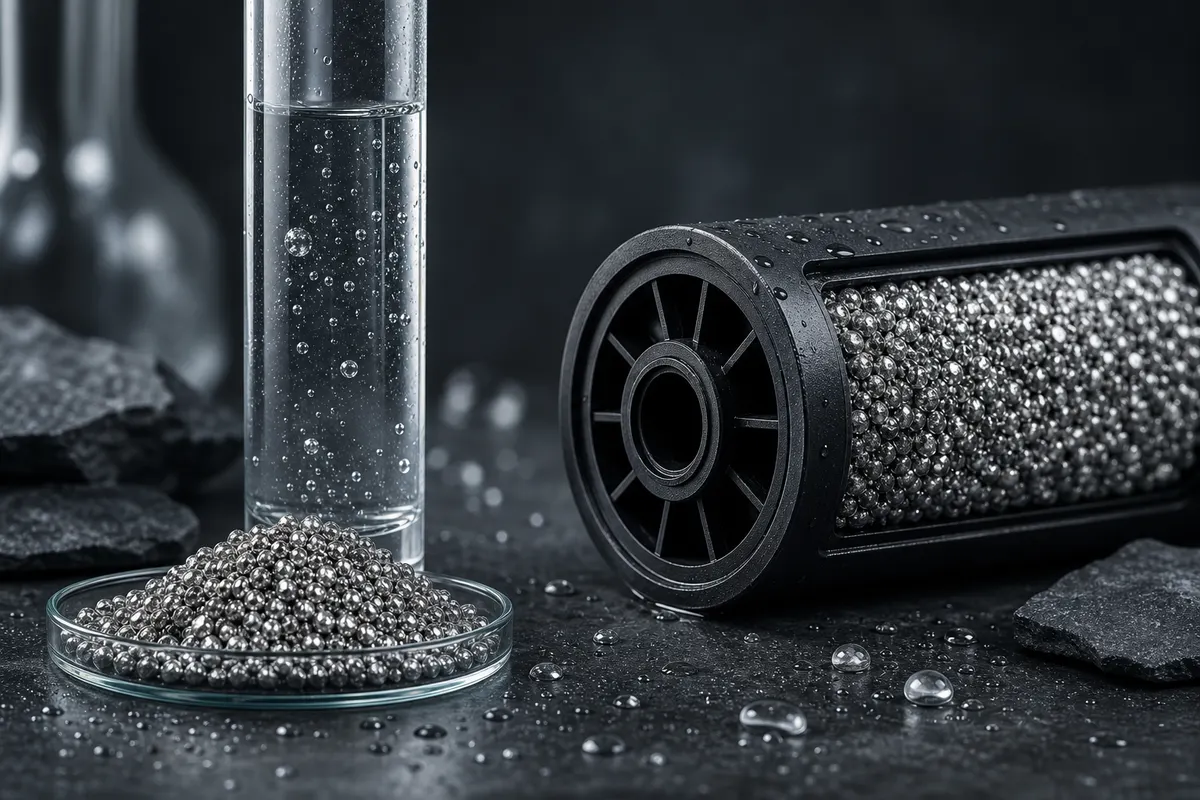
Water Purification with Silver
Silver ions have been used for water disinfection for centuries. Today they replace chlorine in many home, pool, and industrial purification systems.
Other Industries
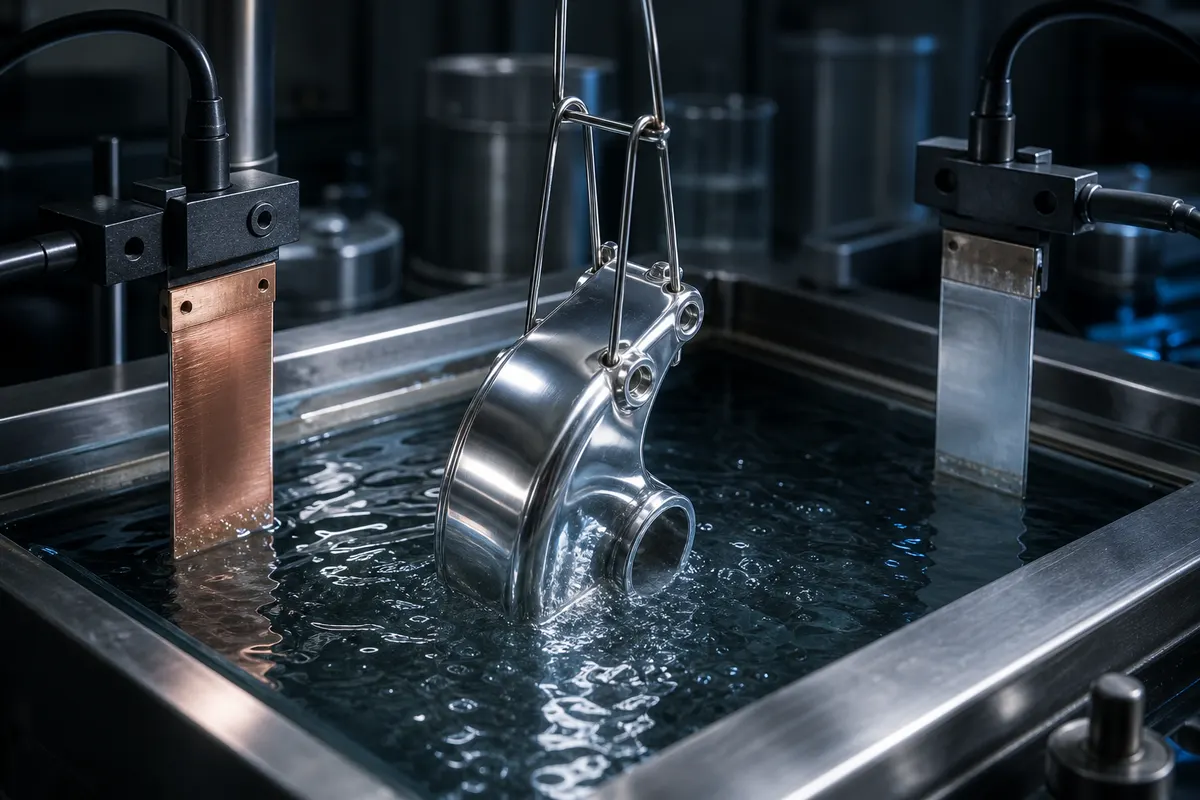
Silver Plating and Coating
Silver plating is one of the most widespread surface treatment processes. From jewelry and silverware to electronic contacts and industrial coatings, this technology spans many industries.
Other Industries
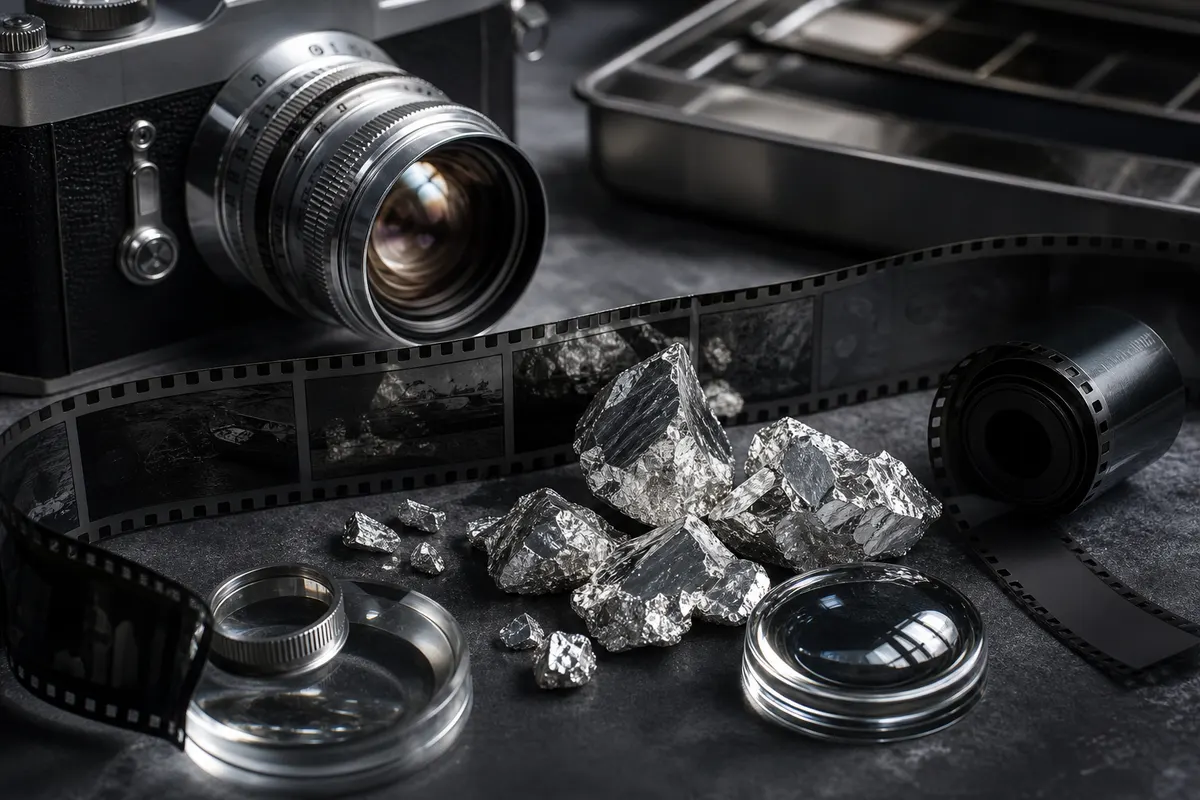
Silver in Photography and Optics
Silver was the backbone of traditional photography and remains essential in precision optics — telescope mirrors, lens coatings, and filters.
Silver purchase plan
How many grams of silver should you buy each period to reach your goal?
Set your target weight, purchase interval, and timeline to calculate a weekly, monthly, or quarterly buying plan.
After calculation, you can submit your phone number for a free consultation.