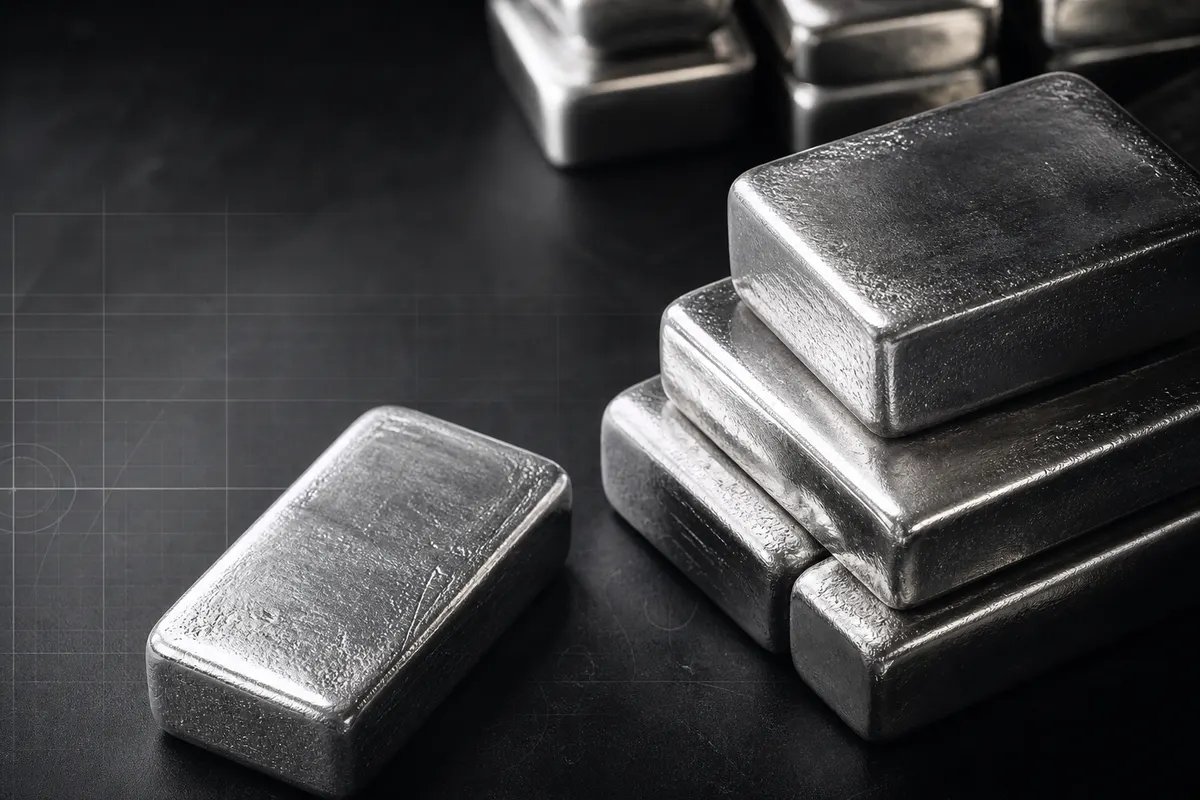
For many investors, buying silver bars is a logical entry point into the precious metals market. Unlike jewelry, a bar's value is almost entirely determined by weight and metal purity, with little premium for craftsmanship or design. Silver at 999.9 fineness means 999.9 parts per thousand of pure silver — the same standard known globally as Fine Silver and used to price investment bars on commodity exchanges in London and Shanghai. If you are new to this space, you should know that investment bars differ fundamentally from industrial silver or scrap: only bars with a refinery certificate, a trusted assay stamp, and tamper-evident packaging hold real store-of-value status.
In this article from ../, we explain the full path of selecting, buying, and storing 999.9 silver bars for retail and semi-professional investors. To understand pricing drivers, read ../silver-price-factors/; for authenticity and storage, see ../silver-authenticity-storage/.
Why Is 999.9 Silver an Attractive Portfolio Option?
Physical silver has traits that set it apart from many other assets. First, its relatively low long-term correlation with equities lets it act as a risk hedge. Second, industrial demand — from solar panels and electronics to medical equipment — creates a real foundation for the metal's value, unlike purely financial assets. Third, the price per troy ounce of silver is lower than gold, making entry possible for investors with more limited capital.
999.9 bars carry a lower fabrication premium (seigniorage) than coins and jewelry, and at resale less premium separates from the global spot price. Silver does, however, fluctuate more than gold, so it is usually viewed as a portfolio complement rather than a full substitute. Bazaarnoghre specialists typically suggest a physical silver share of 20–40% within a precious metals allocation, depending on time horizon and risk tolerance.
Types of Silver Bars and Common Weights
Investment bars are produced in standard weights to keep pricing and liquidity straightforward. The most common weights include:
- 100 g (3.215 oz) — suitable for starting out and testing the market
- 250 g and 500 g — balance between premium and capital size
- 1 kg (32.15 oz) — popular among serious investors; lower unit premium
- 100 oz (3.11 kg) — LBMA Good Delivery standard in international markets
Smaller bars tend to be more liquid in the retail market but carry a higher percentage premium relative to weight. A one-kilogram bar is more economical for medium-term investment, provided you can find a suitable buyer at resale. Some producers offer bars with serial numbers and security holograms, which simplifies tracking and authenticity checks.
Cast Bars vs. Bars from a Reputable Refinery
Hand-poured cast bars may look similar, but they lack valid laboratory assay certificates and are not accepted in formal markets. Always choose bars with the refinery or mint name, serial number, exact weight, and 999.9 fineness stamped on the surface.
How to Choose a Reputable Silver Bar Seller
Before any transaction, review three pillars: price transparency (how pricing is calculated from the global ounce and FX rate), proof of authenticity (a verifiable assay document), and delivery track record (ability to deliver physically on the spot or on a clear schedule). A seller who only sends a quote and avoids showing a physical sample or photos of original packaging carries higher risk.
Bazaarnoghre, as a specialist supplier of 999.9 silver, offers bars with assay certificates and standard packaging and keeps price inquiries transparent based on live global market rates. Before buying, review ../../../index.html#products and contact ../../../index.html#contact for advice if needed.
Certificates of Authenticity and Global Assay Standards
999.9 fineness means that in every thousand grams of bar, a maximum of 0.01 g of impurity is permitted — usually copper or gold remaining from electrolysis. This standard is recognized internationally for investment silver. An assay certificate should include:
- Name of an accredited laboratory (preferably ISO 17025)
- Test method (usually Fire Assay, with XRF spectrometry as initial screening)
- Net weight and identified impurities
- Serial number matching the bar
LBMA Good Delivery standards for large international bars are the industry reference. Even if you buy in a local market, following the same quality principles improves confidence at resale.
Premiums, Tax, and Hidden Costs of Buying Bars
Final bar price = (weight × price per gram of pure silver) + premium + packaging and shipping. Premium on a one-kilogram bar is usually 1–4% above metal value; on a 100 g bar it can reach 8–15%. Factor this difference when comparing offers.
Other costs include shipping insurance, bank safe-deposit fees, and in some cases transaction taxes. A smart investor calculates all-in cost, not just the headline price. At resale, buyers may quote below spot — that is the physical market spread explained further in ../silver-price-factors/.
Comparison Table of Common 999.9 Silver Bar Weights
| Bar weight | Best for | Approx. premium | Liquidity | Storage cost |
|---|---|---|---|---|
| 100 g | Starting out, gifts, market testing | High (8–15%) | Excellent | Low |
| 250–500 g | Medium-term investment | Medium (4–8%) | Good | Low |
| 1 kg | Serious investment | Low (1–4%) | Good to moderate | Medium |
| 100 oz (3.11 kg) | Professional investors | Very low | Market-dependent | Higher |
Secure Purchase and Delivery Process
After agreeing on price, follow these steps:
- Receive a formal quote stating weight, fineness, premium, and delivery time
- Physical inspection at delivery: check stamp, serial, intact packaging
- Receive assay certificate and official invoice at the same time as delivery
- Record details in a personal log or digital file for insurance and future sale
Delivery at a secure location (reputable seller's office or agreed venue) is preferred. Uninsured postal shipping is not recommended. After delivery, read ../silver-authenticity-storage/ to avoid surface tarnish or mechanical damage.
Common Mistakes by New Investors
The most frequent errors are: buying without an assay certificate, comparing prices from ads alone without calculating premium, storing in humid environments, and panic selling at short-term lows. Some buyers accept bars marketed as "tax-free" or "below global market" without asking why — which often signals authenticity or purity problems.
Physical silver investing is a marathon, not a sprint. A minimum horizon of three to five years helps you weather short-term volatility and benefit from industrial demand growth. If you are still deciding between silver and gold, ../silver-vs-gold/ offers a useful analytical comparison.
Dollar-Cost Averaging and Risk Management
Instead of buying everything at a price peak, many professional investors use dollar-cost averaging (DCA): buying a fixed amount of 999.9 bars monthly or quarterly regardless of daily swings. This spreads entry risk. At the same time, capping silver's share of total investable wealth (for example, a maximum of 15%) prevents over-concentration.
Unlike stocks or bonds, physical silver pays no periodic income; return comes from metal price appreciation and currency debasement. A minimum three-year horizon is therefore reasonable. During that period, review global supply and demand reports — including USGS mineral statistics — to keep the fundamental picture clear.
Summary: Your Next Step
Buying 999.9 silver bars is worthwhile when done with adequate knowledge, from a reputable seller, with proof of authenticity and a sound storage plan. Before trading, monitor global prices, calculate premium, and never decide under time pressure. To view products and get today's price, visit ../../../index.html#products or speak with Bazaarnoghre specialists via ../../../index.html#contact.
Further reading
Related articles
- Daily Silver Price and the Factors That Drive It
- Verifying Authenticity and Proper Storage of Physical Silver
To view 999.9 fine silver products, visit the Bazaarnoghre products page.